VoltPassSign in

Charging 101

Plugs, power and patience — made simple.

Everything a new EV driver needs to know, in plain words: which plug fits your car, what Level 2 means, and why “kW” and “kWh” are not the same thing.
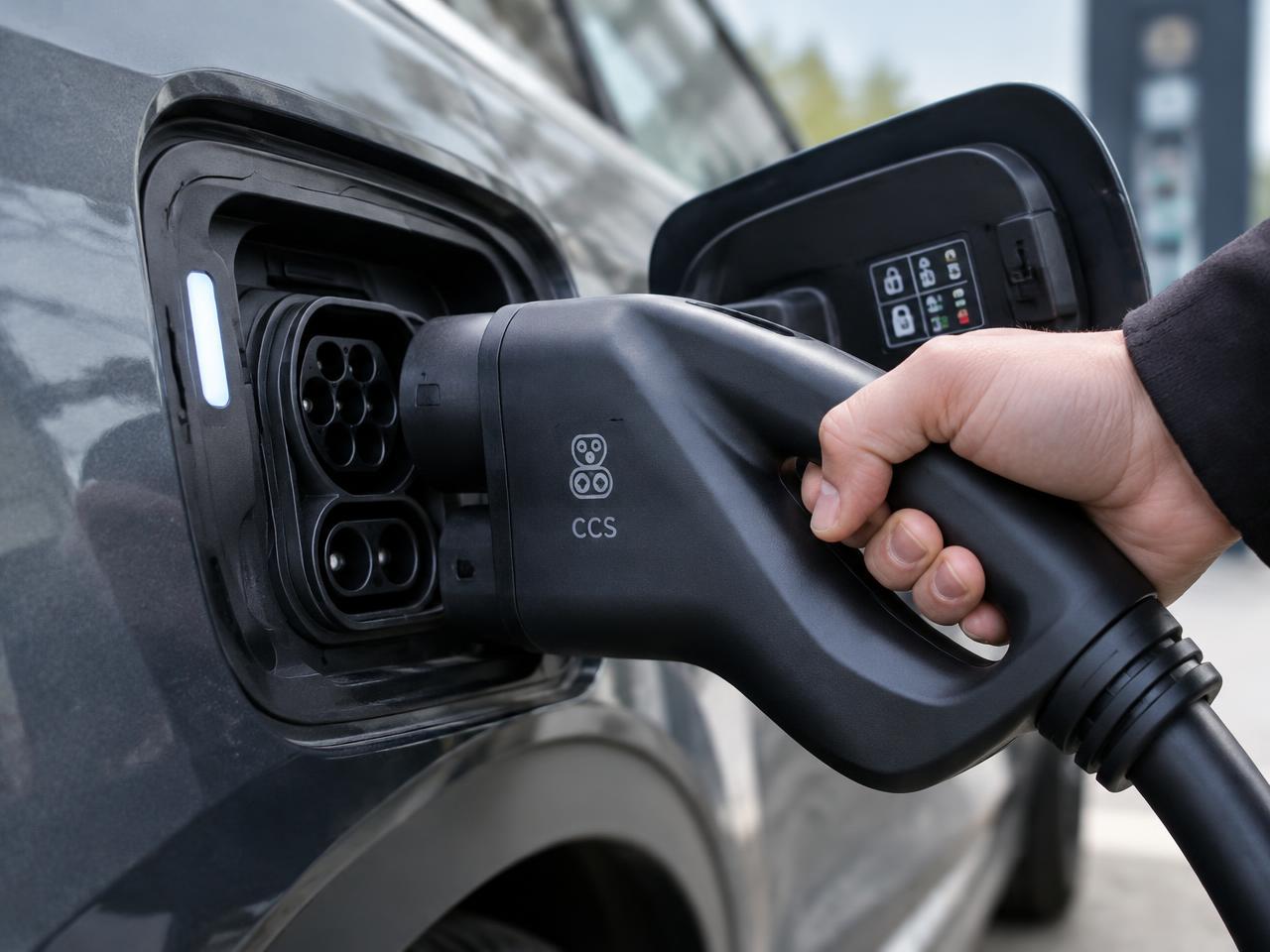
A charging plug being connected to an electric car

The four plugs you’ll see

VoltPass labels every station with a Plug Match code — one letter for the plug and a speed tier from 1 to 5 — so you can tell at a glance if a charger fits your car.

J

J1772 (Type 1)

AC · Up to 19.2 kW AC

Level 1 and Level 2 at homes, offices and parking garages. Almost every non-Tesla EV in North America.

C

CCS1 (Combo 1)

DC · Up to 350 kW DC

J1772 with two big DC pins below. Fast charging for most Ford, GM, Hyundai, Kia, VW, BMW and Rivian models.

T

NACS / SAE J3400

AC + DC · Up to 250–325 kW DC

The slim Tesla-style plug. Now the shared standard many brands are moving to, often via an adapter today.

D

CHAdeMO

DC · Typically 50–100 kW DC

Older fast-charge plug used by the Nissan Leaf and a few others. Fewer new stations are being built.
Tier 1 · Trickle (Level 1)Tier 2 · Everyday (Level 2)Tier 3 · Quick (Level 2+ / small DC)Tier 4 · Fast DCTier 5 · Ultra-fast DC

Charging levels

Level 1

Power
1.2–1.9 kW
Supply
120 V household outlet
Adds
3–5 miles per hour

Overnight top-ups if you drive under ~40 miles a day.

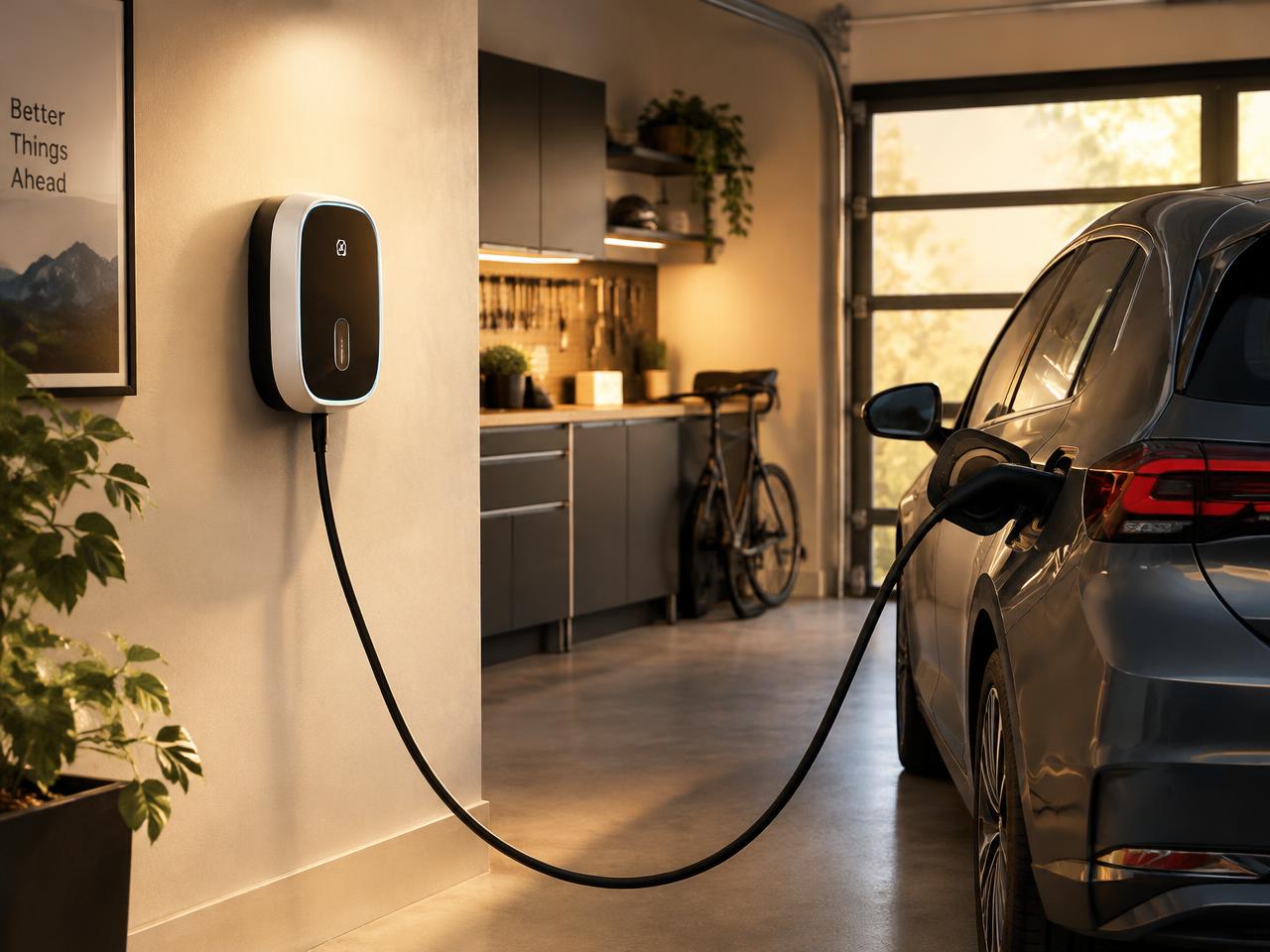
Level 2

Power
3.3–19.2 kW
Supply
208–240 V, like a dryer outlet
Adds
15–40 miles per hour

Home, work, hotels and shopping — park for a few hours.
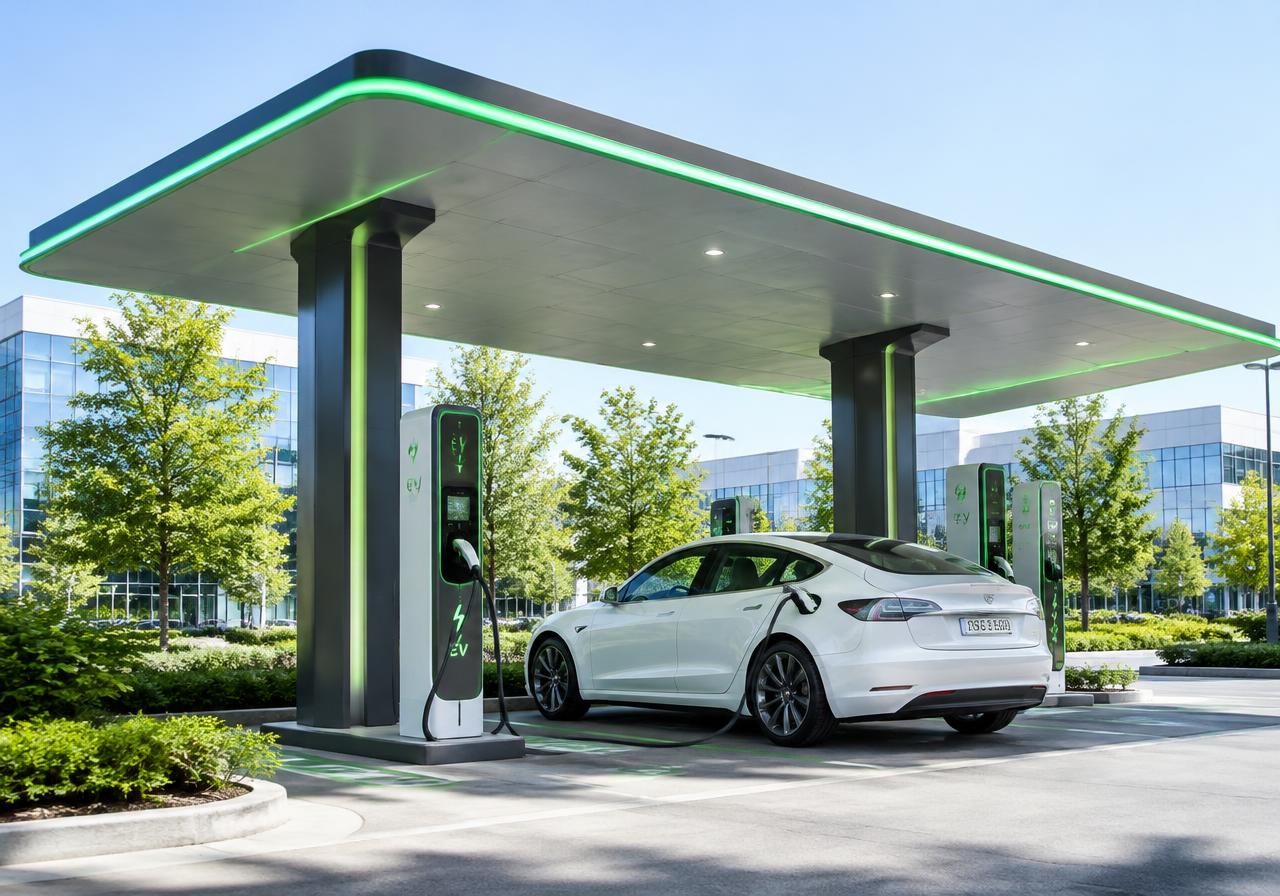
DC fast

Power
50–350 kW
Supply
400–1,000 V direct current
Adds
100–250+ miles in 20–40 min (car dependent)

Road trips and quick stops. Slows down above ~80% battery.

How fast will my car charge?

A charger can only go as fast as your car accepts. Pick both and see.

25 miles / hour

Tier 2 · Everyday (Level 2). Your car accepts up to ~11 kW here on AC. Estimate only — weather, battery level and the charger’s condition change it.

Words that confuse everyone

Watt (W)
A rate of power. 1,000 W = 1 kilowatt (kW).
Kilowatt (kW)
How fast energy flows — the “speed” of a charger. Bigger is faster, but your car sets its own limit.
Kilowatt-hour (kWh)
An amount of energy — the “size of the tank.” A 75 kWh battery holds 75 kWh; 7.5 kW for 10 hours fills it.
Volts & amps
Volts × amps = watts. A 240 V × 32 A Level 2 charger ≈ 7.7 kW.
AC vs DC
Batteries store DC. With AC (Level 1/2) the car’s onboard charger converts it; DC fast chargers do it in the station, so they can go much faster.
Charging curve
Cars charge fastest at low battery and taper as they fill. 10→80% is the sweet spot on a road trip.
mi/kWh
Efficiency. Most EVs travel 2.5–4 miles per kWh; cold weather and highway speed lower it.

New to EVs

Start with your plug, then add a Level 2 charger at home if you can.

Find my EV

Planning a trip

Plan stops at fast chargers matched to your range and plug.

Plan a trip

Have a charger

Share your Level 2 plug with drivers nearby and earn per booking.

Become a host

Figures are typical North American ranges for general education; check your vehicle manual and the station for exact limits.